
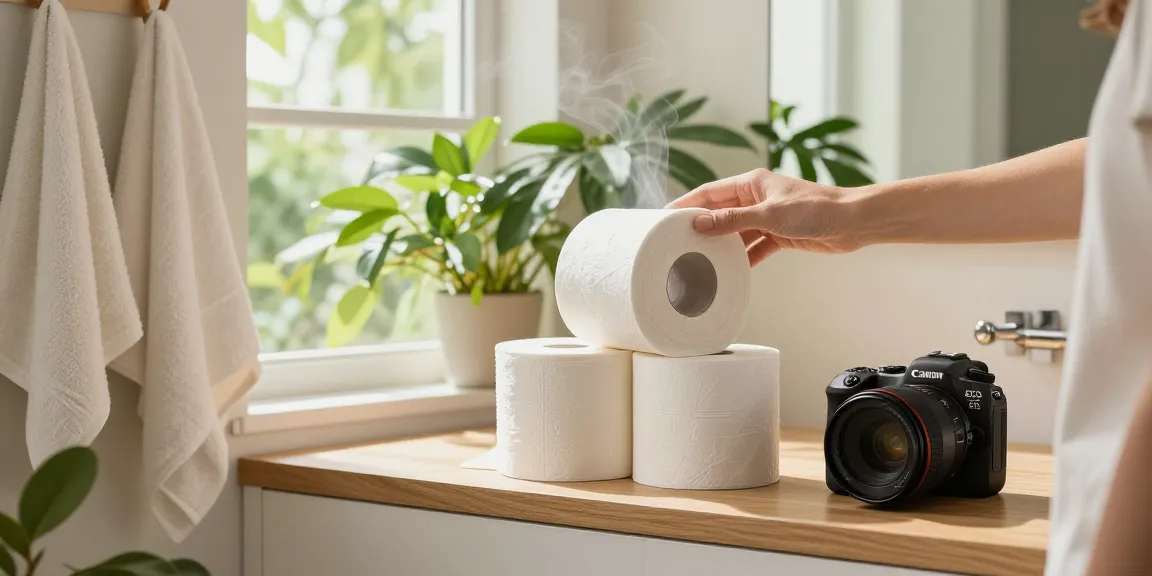
Understanding Bamboo Toilet Paper
Bamboo toilet paper is rapidly gaining popularity as an eco-friendly alternative to traditional toilet paper. Made from sustainable bamboo, this innovative product offers a unique blend of softness and strength, ensuring a comfortable experience while reducing environmental impact. With growing consumer awareness about sustainability, bamboo toilet paper is becoming a staple in many households. When exploring options, Bamboo Toilet Paper provides comprehensive insights into the benefits and offerings available.
What is Bamboo Toilet Paper?
Bamboo toilet paper is crafted from the fibres of the bamboo plant, a grass known for its rapid growth and resilience. Unlike traditional toilet paper, which is often made from virgin wood pulp, bamboo toilet paper utilises a renewable resource that can regrow within a year. This makes it an environmentally friendly choice, contributing to the preservation of forests and reducing the carbon footprint associated with paper production.
Benefits of Using Bamboo Toilet Paper
- Sustainability: Bamboo grows quickly and can be harvested without killing the plant, making it a highly renewable resource.
- Softness: Many consumers are surprised to find that bamboo toilet paper is not only soft but also gentle on sensitive skin.
- Biodegradability: Bamboo products decompose naturally, making them a better option for landfill waste compared to traditional toilet paper.
- Reduced Chemical Usage: Bamboo toilet paper often requires fewer chemicals during its production process, contributing to a cleaner environment.
Comparative Analysis: Bamboo vs. Traditional Toilet Paper
When comparing bamboo toilet paper to traditional options, several key differences emerge:
- Resource Source: Traditional toilet paper is made from trees, often leading to deforestation. In contrast, bamboo is harvested sustainably.
- Growth Rate: Bamboo can grow back in as little as one year, while trees take decades to mature.
- Environmental Impact: The production of bamboo toilet paper generally has a lower carbon footprint than that of conventional toilet paper due to its efficient growth and harvesting.
The Environmental Impact of Bamboo Toilet Paper
The ecological benefits of using bamboo toilet paper extend far beyond its immediate use in households. By switching to bamboo, consumers can play a vital role in combatting deforestation and reducing their carbon footprint.
How Bamboo Helps Reduce Deforestation
Deforestation is a significant environmental concern, contributing to habitat loss, climate change, and biodiversity decline. By opting for bamboo toilet paper, which utilises a fast-growing plant, consumers can help decrease the demand for tree-based products. This shift aids in preserving vital forest ecosystems and the wildlife that depends on them.
Carbon Footprint Reduction with Bamboo Products
Switching to bamboo products can significantly reduce an individual’s carbon footprint. Bamboo’s fast growth means that large quantities of carbon dioxide are absorbed quickly, helping to mitigate the effects of climate change. Additionally, the production process for bamboo toilet paper generally emits fewer greenhouse gases compared to traditional paper manufacturing methods.
Supporting Sustainable Farming Practices
Choosing bamboo toilet paper encourages sustainable farming methods. Bamboo can thrive in diverse climates and requires less water than many traditional crops. Its cultivation also promotes soil health and reduces the need for harmful pesticides, contributing to a more sustainable agricultural landscape.
Choosing the Right Bamboo Toilet Products
With the influx of bamboo toilet paper options available on the market, it’s essential for consumers to make informed choices that align with their values and needs.
Factors to Consider When Selecting Bamboo Toilet Paper
- Certification: Look for products that are certified organic or have eco-labels that ensure sustainable and ethical production.
- Thickness and Ply: Consider the ply (layers) of the toilet paper, as more ply usually means greater softness and durability.
- Packaging: Evaluate the packaging materials; choose brands that use recycled or biodegradable materials.
Key Features of High-Quality Bamboo Products
High-quality bamboo toilet paper should feature:
- Softness that rivals traditional products
- Strong durability that prevents tearing during use
- Biodegradability for an eco-conscious disposal option
Popular Brands and Their Offerings
Numerous brands are now offering bamboo toilet paper, each with unique features and benefits. It’s advisable to research and read reviews before making a purchase to ensure that the selected brand meets quality expectations.
Practical Applications and Usage Tips
Integrating bamboo toilet paper into your daily routine can be seamless; here are some practical tips to consider.
How to Incorporate Bamboo Toilet Paper into Your Home
Transitioning to bamboo toilet paper can be simple. Begin by replacing your current toilet paper with bamboo alternatives at home. Consider introducing bamboo kitchen rolls for a complete sustainable approach in your household.
Subscription Services: Convenience and Savings
Many eco-friendly brands, including those offering bamboo toilet paper, provide subscription services that deliver products directly to your door. This not only ensures you never run out but can also yield savings over time.
Customer Experiences: Real Testimonials
Customer satisfaction with bamboo toilet paper has been overwhelmingly positive, with many noting the softness and strength compared to traditional brands. Many users report that they appreciate the eco-friendly aspect, feeling good about their purchasing choices.
Future Trends in Eco-Friendly Bathroom Essentials
The demand for sustainable products, including bamboo toilet paper, is poised to grow, driven by increased environmental awareness and consumer preferences.
Innovations in Bamboo Product Manufacturing
As technology advances, manufacturers are discovering new ways to improve the efficiency and sustainability of bamboo products. Innovations such as closed-loop manufacturing processes aim to reduce waste and improve overall product quality.
Consumer Trends towards Sustainable Choices in 2026
By 2026, it is expected that the consumer shift towards sustainable choices will deepen, with more households prioritising eco-friendly products. This trend will likely lead to an increased diversity of eco-friendly toilet products, catering to various consumer preferences.
Advancements in Packaging and Delivery for Environmental Sustainability
Brands are focusing on reducing their environmental impact not only through their products but also in their packaging and delivery methods. Expect to see more biodegradable and recyclable packaging in the coming years, alongside more efficient delivery practices.
Why Switch to Bamboo Toilet Paper?
Switching to bamboo toilet paper offers significant environmental benefits, including a reduction in deforestation and a lower carbon footprint. Moreover, many consumers find that bamboo toilet paper performs just as well—if not better—than traditional products.
Is Bamboo Toilet Paper Safe for Septic Systems?
Yes, bamboo toilet paper is generally safe for septic systems. It’s designed to break down easily, reducing the risk of clogs, similar to standard toilet paper.
How to Recycle Bamboo Toilet Paper Packaging?
Most bamboo toilet paper packaging can be recycled, but it’s essential to check for specific recycling symbols on the product. Many brands are moving towards fully recyclable or compostable packaging.
Where to Buy Quality Bamboo Toilet Paper?
Bamboo toilet paper can be found at many grocery stores and specialty shops. Online retailers also provide a convenient way to purchase these products directly from brands focused on sustainability.
What Makes Bamboo Toilet Paper Soft and Comfortable?
The natural fibres of bamboo contribute to the softness of the toilet paper. Advanced manufacturing processes further enhance its comfort, making it a luxurious alternative for everyday use.

